
Gentra
Fitness

A workout app built for couples — and a brand built to dominate its niche. Here's how strategic design turned a good idea into a category of one.

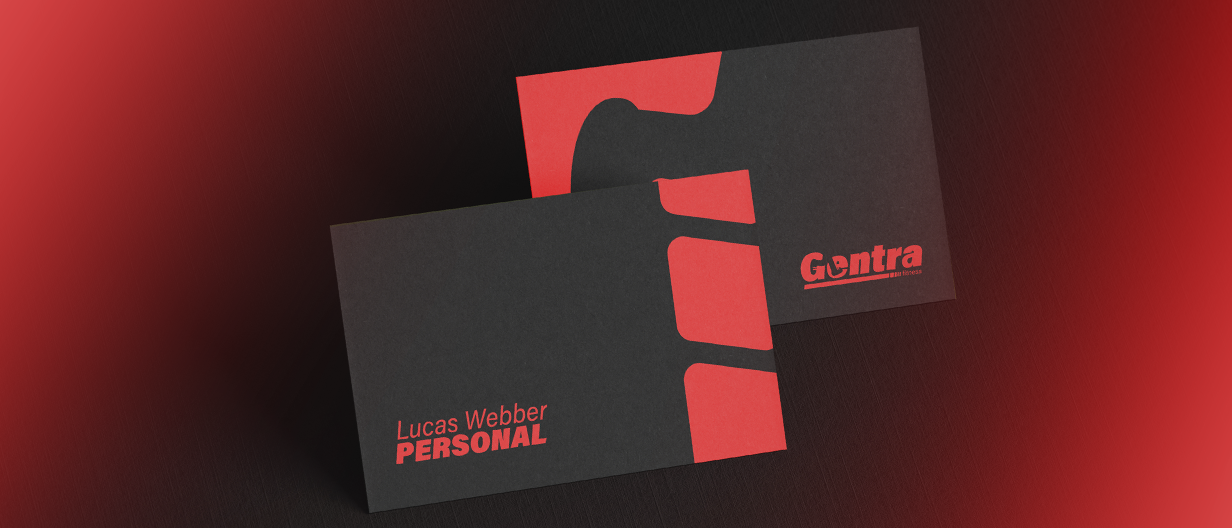
Gentra Fitness logo — couples workout app branding by Noir Branding Studio

Objective

Increase daily app usage through community-driven visual hooks and shared goals.

Result

35% higher session length vs. generic fitness competitors.

Approach

Design architecture built to appeal to both feminine and masculine aesthetics simultaneously.

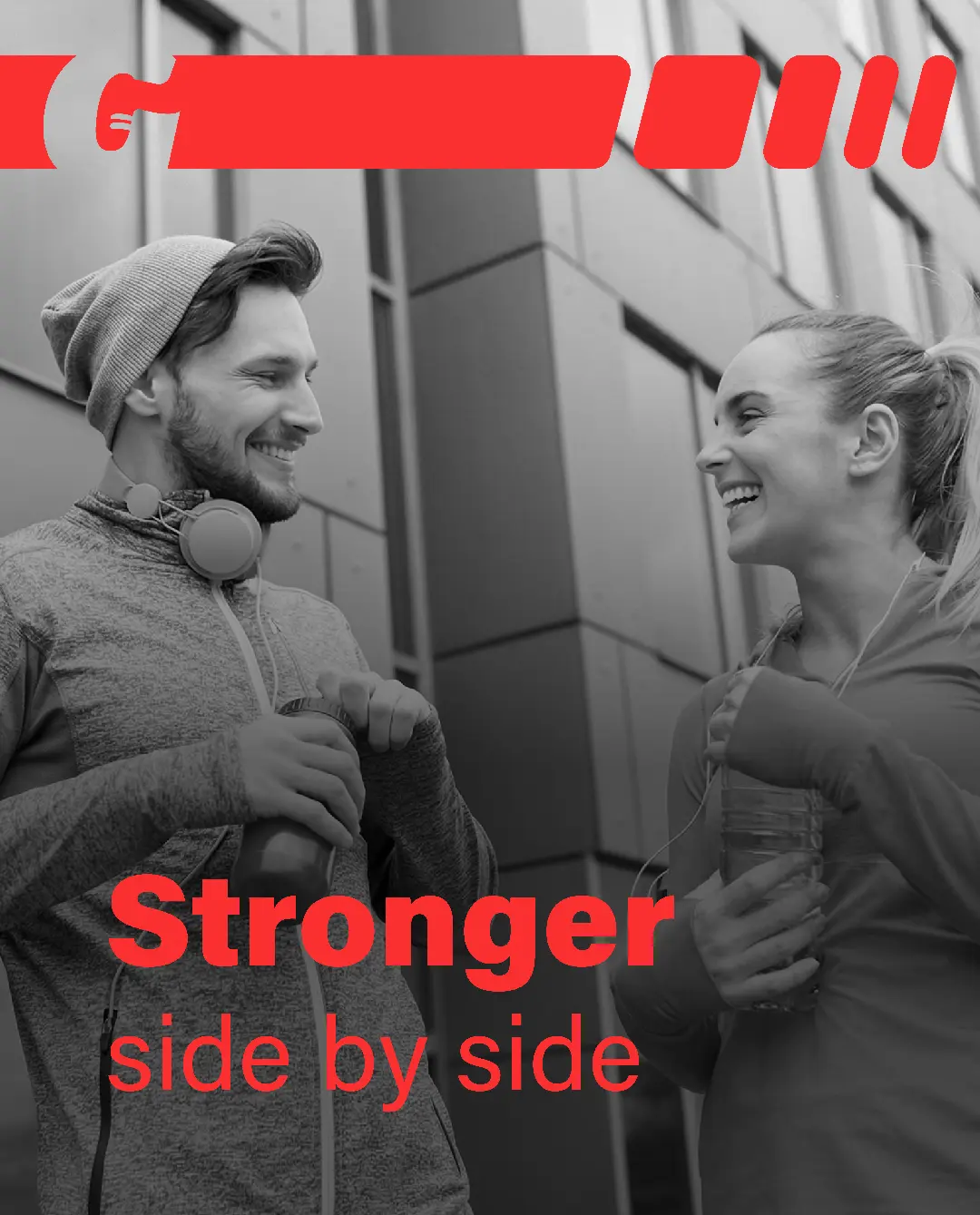
Gentra Fitness lifestyle brand photography — couples working out together
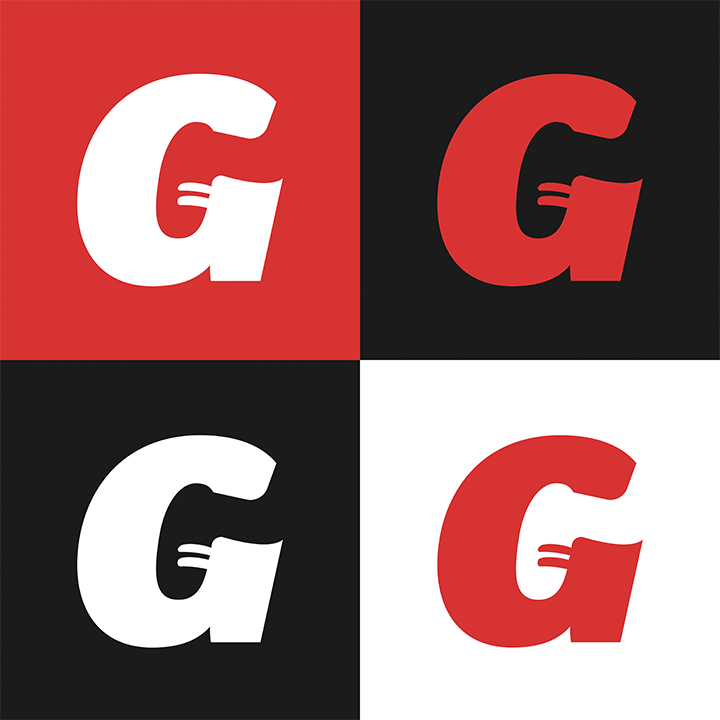
Gentra Fitness brand detail — UI typography and color system

Shared Authority.

We utilized a high-energy palette combined with sophisticated typography to ensure the brand felt as professional as it did motivating. Every design decision was tested against a single question: does this make the user feel like they belong to something bigger?

Gentra Fitness app experience and interface design
Gentra Fitness visual collage and brand system overview

Strategic
Architecture

The core philosophy "Stronger side by side" drove every design decision. Not as a tagline — as a brief. It shaped the color language, the typography pairings, the UI interaction patterns, and the way success states were communicated.

  • Retention UI: Visual hooks for shared milestones — notifications, progress rings, and paired achievement displays that reward both partners simultaneously.

  • Market Edge: Premium couples positioning that commands a higher price point than solo fitness apps and creates natural referral loops.

  • Dual Aesthetic: A palette and typographic system that neither gender had to compromise on — tested across 200+ user impressions before launch.

The Energy Palette

Optimized for high-energy psychological triggers at point of sale and within app retention loops.

The real problems we solve

Your brand is costing you clients right now.

Most businesses spend money on ads, social media, and SEO — then wonder why conversion rates stay flat. The problem isn't the channel. It's that there's nothing worth converting to. A weak brand repels premium buyers, attracts price shoppers, and makes every marketing dollar work twice as hard.

The businesses that grow predictably invest in brand infrastructure first. Every other growth channel amplifies your brand — which means a stronger brand makes everything else cheaper and more effective.

Problem 01

How do I get more clients for my business?

The fastest path to more clients isn't more ads — it's removing the friction that stops the clients you already reach from saying yes. That friction is almost always brand doubt: Does this business look legitimate? Do I trust them with my money? A professional brand identity eliminates that doubt before a single sales conversation begins.

Problem 02

Why am I not attracting high-paying clients?

High-value buyers evaluate credibility visually in the first three seconds. If your brand looks like a template — inconsistent fonts, stock imagery, no clear identity — premium buyers self-select out before they read a word. The fix isn't better pricing; it's looking like you're worth what you charge.

Problem 03

How do I stand out from my competitors?

Most businesses compete on price because they've never differentiated at the brand level. When your visual identity, messaging tone, and market positioning are distinct, price comparisons stop being the default. Customers choose you because you're the only one who feels right — not the one who's cheapest.

Problem 04

How do I increase customer retention?

Retention is an emotional contract. Customers stay with brands they feel proud to associate with — and leave transactional ones the moment a cheaper option appears. Brand design that builds identity and community turns your customers into advocates who renew without being asked and refer without incentive.

Problem 05

How do I grow my startup without a big budget?

The highest-leverage investment for an early-stage business is brand clarity. Done right, a strong identity enables you to charge more, convert at higher rates, and generate organic word-of-mouth — compounding your growth without requiring ongoing spend. It's the multiplier on everything else.

Problem 06

Why does my marketing not convert?

Poor conversion is almost never a targeting problem — it's a trust problem. If your website, social presence, and materials don't create a coherent, confident impression, traffic will keep bouncing regardless of how well you're optimizing ads. Brand consistency is the foundation that marketing tactics build on.

Why brand design
drives revenue

There's a persistent myth that branding is a cost — something you do when you can afford it. The data tells the opposite story. Brand consistency alone increases revenue by up to 23% (Forbes, Lucidpress) because it reduces cognitive friction at every stage of the buying journey.

When a business looks and sounds like it knows exactly who it is and who it serves, buyers don't need to be convinced. The brand does the selling. Every touchpoint — ads, social, packaging, the website — reinforces the same emotional promise, compressing the decision cycle and driving up lifetime customer value.

The businesses that invest in brand infrastructure early spend less per acquisition, retain clients longer, and exit at higher multiples. Brand isn't an aesthetic choice. It's a business asset.

35%

Higher session engagement for Gentra Fitness versus generic fitness app benchmarks after brand launch.

23%

Average revenue increase attributed to consistent brand presentation across all channels.

3 sec

Time a buyer takes to judge credibility. Your brand either passes that test or loses the sale silently.

10×

Return on brand investment when measured across reduced CAC, higher LTV, and organic referral growth.

Questions we get
every week

Straight answers to the real doubts business owners have before investing in brand.

Most clients see measurable shifts in conversion rates and perceived value within 60–90 days of launch. The change in how existing clients describe your business — word of mouth, organic referrals, the quality of inbound inquiries — typically begins within the first month. A stronger brand gives your audience the language to describe you clearly, which is what spreads.

A logo is a mark. A brand is a complete system: the visual identity, the messaging architecture, the emotional positioning, the customer experience, and the consistent promise you make across every touchpoint. A logo without a brand system is a decoration. A brand system makes every interaction — social posts, proposals, packaging, customer service — feel like the same trustworthy entity.

The better question is: can a small business afford not to? Every month you operate with a weak brand is a month of lower conversion rates, harder sales conversations, and a client base built on price rather than loyalty. A professional brand identity typically pays for itself within one quarter through improved close rates alone — before accounting for retention gains and referral growth.

Three clear signals you've outgrown your current brand: you're winning work despite your brand, not because of it; your pricing is constrained by what the brand can justify; or you're attracting a different client than you want to serve. A brand refresh doesn't mean starting over — it means aligning the way you look with the business you've actually become.

Every marketing channel — paid ads, content, email, SEO — sends traffic to your brand. If the brand converts poorly, the channel looks ineffective. Improve the brand and every channel gets cheaper: lower cost-per-click (higher quality score), higher email open rates, better organic engagement. A strong brand is the highest-leverage marketing investment because it makes everything else work harder.

How we build
brands that convert

Four phases. No templates. Every decision tied to a specific business outcome.

Phase 01

Strategy

We identify the exact buyer psychology, market positioning gap, and emotional territory your brand needs to own. This is the brief every visual decision answers to.

Phase 02

Identity

Logomark, color system, typography, and visual language built as a coherent system — not a collection of assets. Everything designed to scale and stay consistent.

Phase 03

Application

The identity applied across the touchpoints that matter most for your specific business: website, social, pitch materials, packaging, or product UI.

Phase 04

Launch

You leave with a brand guidelines document, all source files, and the clarity to make every future design decision confidently — with or without us.

Ready to build a brand that brings clients to you?

Tell us about your business. We'll tell you what's holding the brand back — and how to fix it.

Start a Project