

L'Abeille
Luxury Identity

A refined brand identity crafted to position L'Abeille as a premium, elegant, and timeless luxury brand. Here is how restraint elevates perceived value.

L'Abeille luxury logo design by Noir Branding Studio

Objective

Position the brand as a high-end, elegant identity that immediately communicates premium value.

Result

Elevated brand perception, enabling higher price positioning.

Approach

Minimalism, refined typography, and balanced visual hierarchy for a timeless aesthetic.

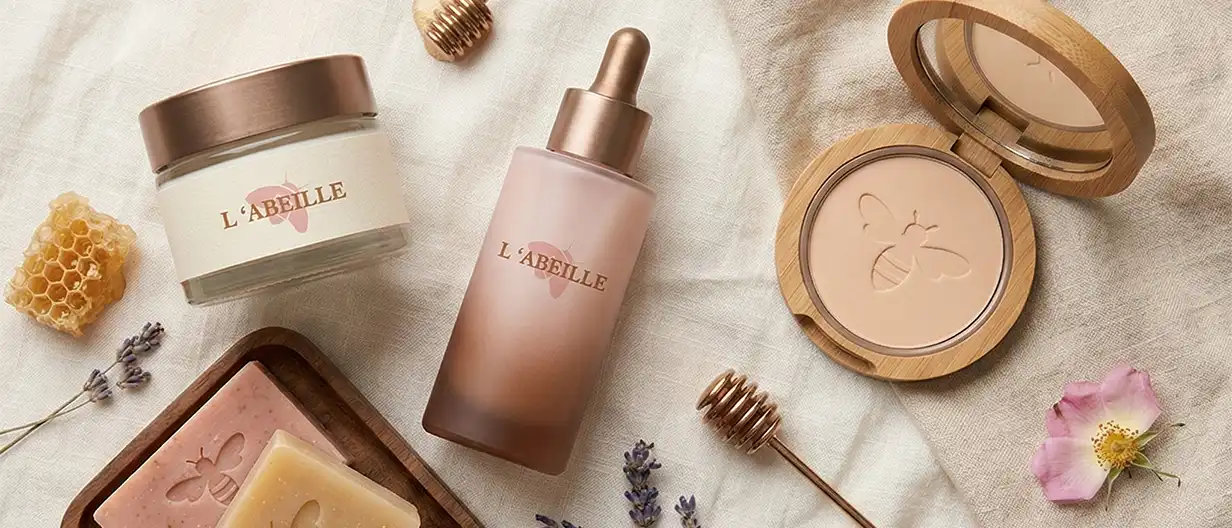
L'Abeille brand aesthetic and lifestyle banner
L'Abeille secondary mark and logo application

Timeless Elegance.

The identity is built around elegance and restraint. A soft neutral palette combined with high-end typography creates a timeless aesthetic that reinforces exclusivity. In the luxury market, what you leave out is just as important as what you include.

L'Abeille luxury packaging and brand application
L'Abeille elegant visual identity system

Strategic
Refinement

The core philosophy "Restraint and Refinement" drove every design decision. True luxury doesn't shout for attention; it relies on quiet authority, impeccable spacing, and flawless consistency to command trust.

  • Typographic Hierarchy: High-end, classic serifs paired with minimalist sans-serifs to create a balanced, editorial feel.

  • Market Edge: A visual system that removes price friction, allowing the brand to confidently justify a premium market position.

  • Color Psychology: Neutral, sophisticated tones that provide a calm, exclusive canvas for the brand's messaging.

The Luxury Palette

Optimized for high-end editorial layouts and premium print applications.

The real problems we solve

Your brand doesn't look expensive enough.

Many businesses offer high-quality services but struggle to charge what they're worth because their brand looks generic. High-net-worth clients and premium buyers evaluate your value visually within seconds. If your design feels cheap, cluttered, or templated, they will treat your business as a commodity.

The brands that command the highest prices don't compete on features; they compete on perception. Investing in a refined, minimalist brand infrastructure signals authority, removes doubt, and makes premium pricing feel completely natural to your buyer.

Problem 01

How do I attract high-end clients?

High-end clients don't respond to loud, aggressive marketing. They respond to elegance, exclusivity, and professionalism. By elevating your visual identity to mirror luxury standards, you naturally attract buyers who value quality over price discounts.

Problem 02

How do I justify raising my prices?

You cannot charge premium rates with an amateur aesthetic. A luxury brand identity creates instant emotional trust and perceived value. When your business looks like it belongs in the top tier of your industry, clients stop negotiating and start trusting.

Problem 03

Why does my brand look cluttered?

Most brands try to say too much at once. Luxury is about restraint and white space. By stripping away unnecessary elements and focusing on perfect typography and balanced composition, we create a calm, confident aesthetic that commands attention.

Problem 04

How do I create a timeless brand?

Trends fade; elegance remains. Timeless branding avoids modern design gimmicks in favor of classic typographic principles and sophisticated color palettes. L'Abeille's identity was built to look just as relevant and premium a decade from now as it does today.

Problem 05

Why do luxury brands use minimalist design?

Minimalism reduces cognitive friction and projects supreme confidence. When a brand doesn't need to shout with bright colors or complex logos, it signals that the quality of the product or service speaks for itself. It is the visual equivalent of quiet luxury.

Problem 06

How does design affect perceived value?

Human psychology links aesthetic beauty to underlying quality (the halo effect). If your website, packaging, and logo look flawless, buyers assume your service will be flawless too. Design is the silent ambassador that establishes your value before you ever speak.

Why brand design
drives revenue

There's a persistent myth that branding is a cost — something you do when you can afford it. The data tells the opposite story. Brand consistency alone increases revenue by up to 23% (Forbes, Lucidpress) because it reduces cognitive friction at every stage of the buying journey.

In the luxury and premium sectors, customers do not buy products; they buy status, trust, and alignment with their own identity. When an identity looks and feels premium, buyers don't need to be convinced of the price tag. The brand does the selling.

The businesses that invest in high-end brand infrastructure early spend less per acquisition, attract clients with higher lifetime value, and experience significantly less price resistance. Brand isn't an aesthetic choice. It's a business asset.

1st

Impression matters. Premium buyers judge your credibility visually within the first 3 seconds of contact.

23%

Average revenue increase attributed to consistent, professional brand presentation across all touchpoints.

0

Price friction. A luxury aesthetic removes the need to compete on cost, allowing you to dominate on value.

LTV

Higher Lifetime Value. Premium branding attracts loyal clients who value quality over seeking discounts.

Questions we get
every week

Straight answers to the real doubts business owners have before investing in brand.

Most clients see measurable shifts in the quality of their leads and perceived value within 60–90 days of launch. The change in how existing clients perceive your business — enabling you to introduce higher pricing tiers — typically begins the moment the new identity goes live. A stronger brand immediately alters the conversation from "how much?" to "how soon?".

Luxury branding is defined by restraint, impeccable typography, generous white space, and absolute consistency. It is the deliberate removal of the unnecessary. A standard brand tries to convince you with loud colors and complex graphics; a luxury brand draws you in with quiet, undeniable confidence.

The better question is: can a business aiming for high-end clients afford not to look the part? Every month you operate with a weak brand is a month of losing premium clients to competitors who simply look more professional. A luxury brand identity typically pays for itself very quickly through the ability to close higher-ticket sales.

Three clear signals you've outgrown your current brand: you are delivering premium work but your branding looks amateur; your pricing is constrained by what your current aesthetic can justify; or you're attracting budget-conscious clients instead of your ideal high-end target. A rebrand aligns the way you look with the value you actually provide.

Every marketing channel sends traffic to your brand. If the brand looks cheap, premium traffic will bounce, making the marketing channel look ineffective. Improve the brand to a luxury standard, and every channel converts better: high-net-worth clients trust you instantly, reducing cost-per-acquisition and dramatically increasing the ROI of every ad dollar.

How we build
brands that convert

Four phases. No templates. Every decision tied to a specific business outcome.

Phase 01

Strategy

We identify the exact buyer psychology, market positioning gap, and emotional territory your brand needs to own. This is the brief every visual decision answers to.

Phase 02

Identity

Logomark, color system, typography, and visual language built as a coherent system — not a collection of assets. Everything designed to scale and stay consistent.

Phase 03

Application

The identity applied across the touchpoints that matter most for your specific business: website, social, pitch materials, packaging, or product UI.

Phase 04

Launch

You leave with a brand guidelines document, all source files, and the clarity to make every future design decision confidently — with or without us.

Ready to build a brand that brings clients to you?

Tell us about your business. We'll tell you what's holding the brand back — and how to fix it.

Start a Project